
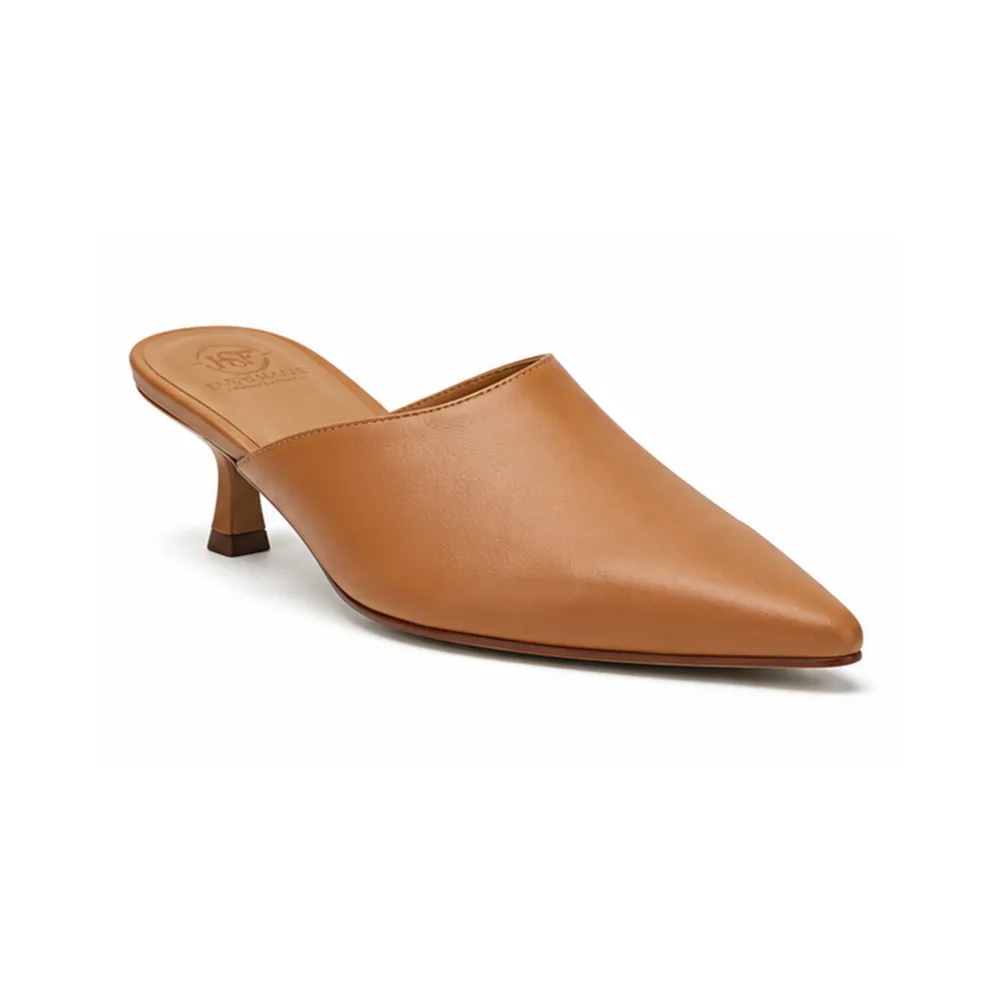
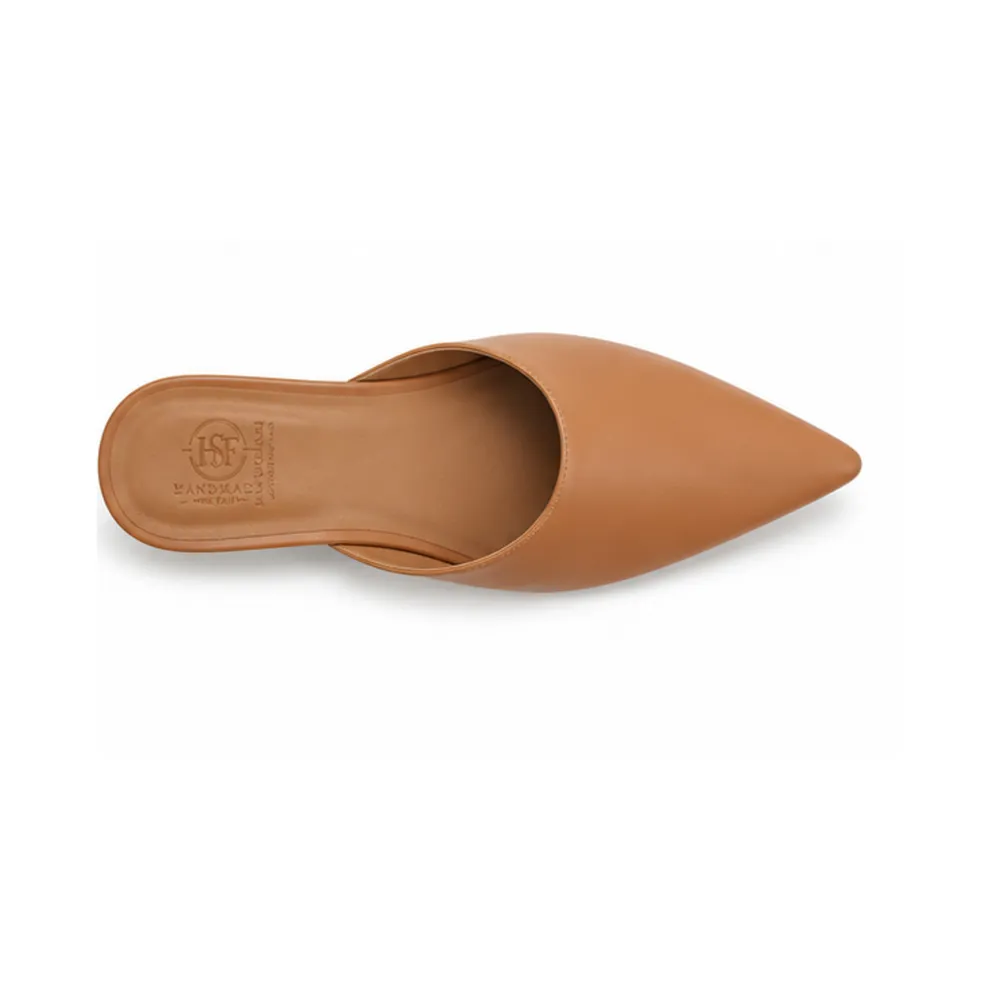
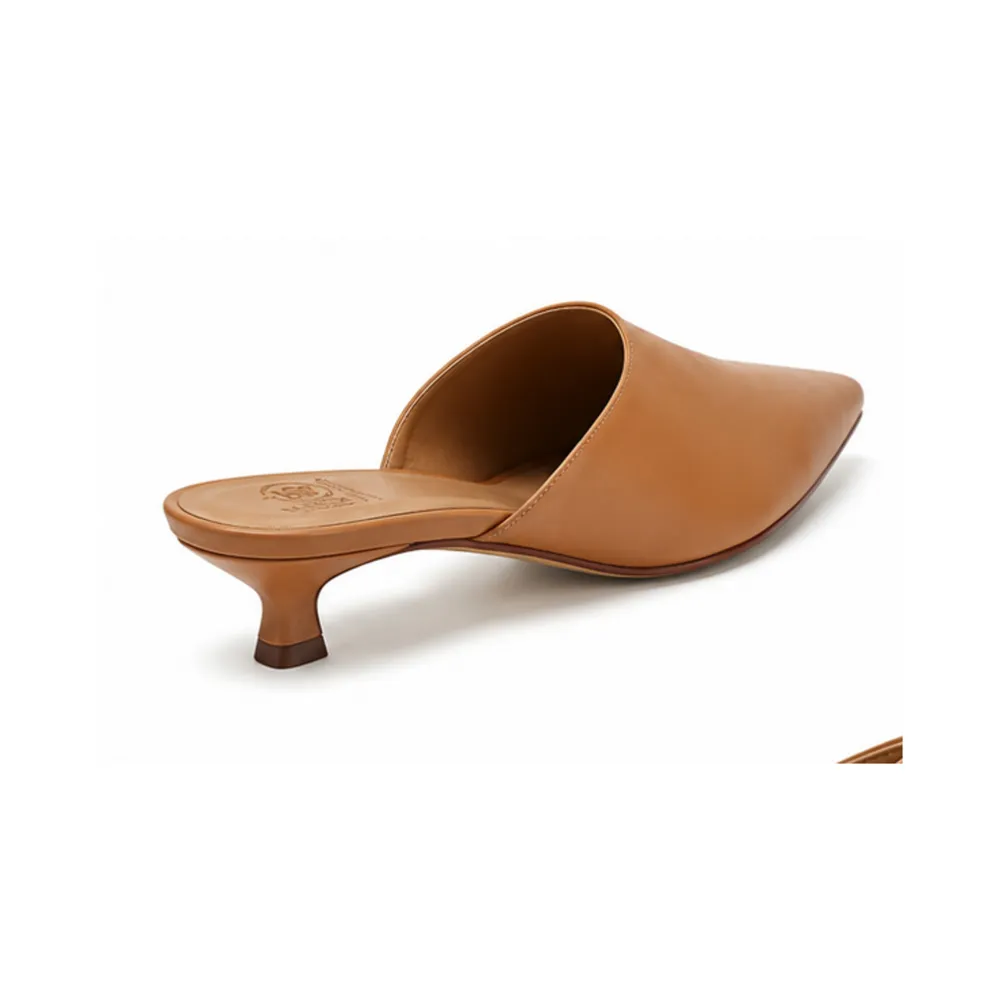
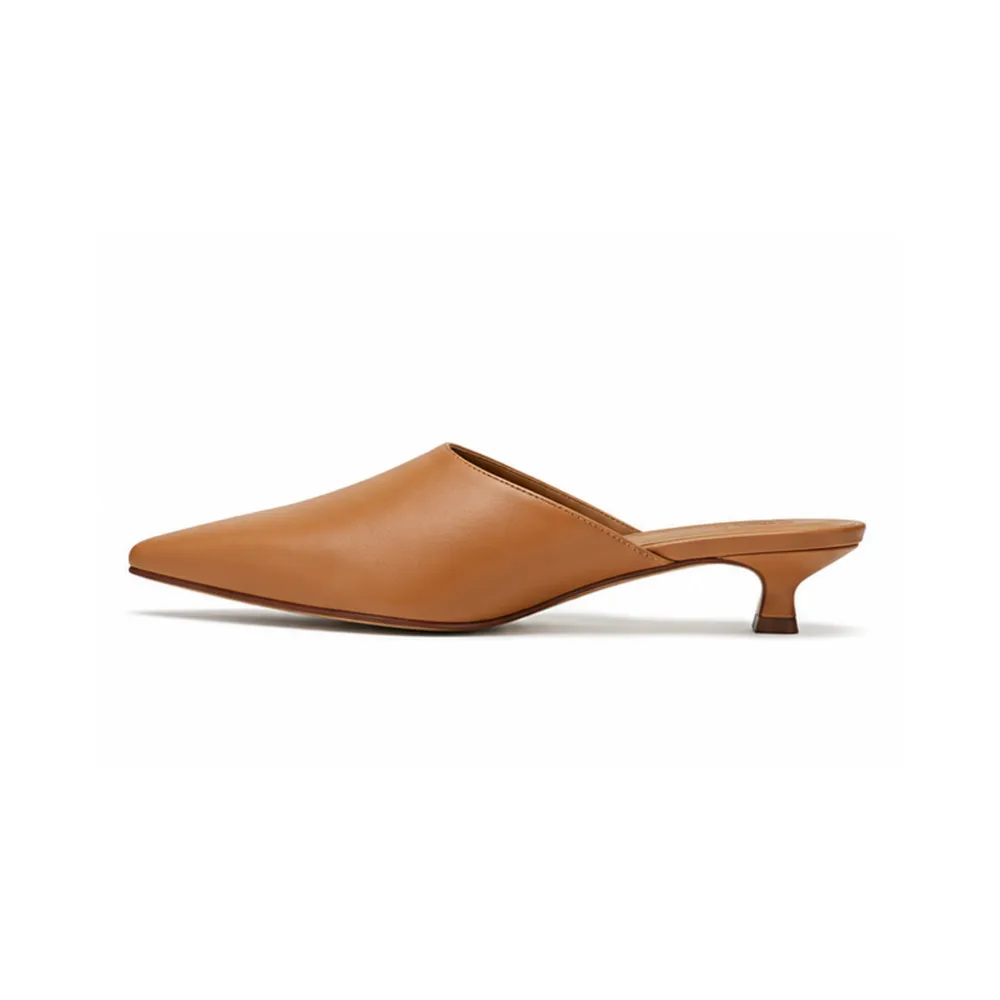
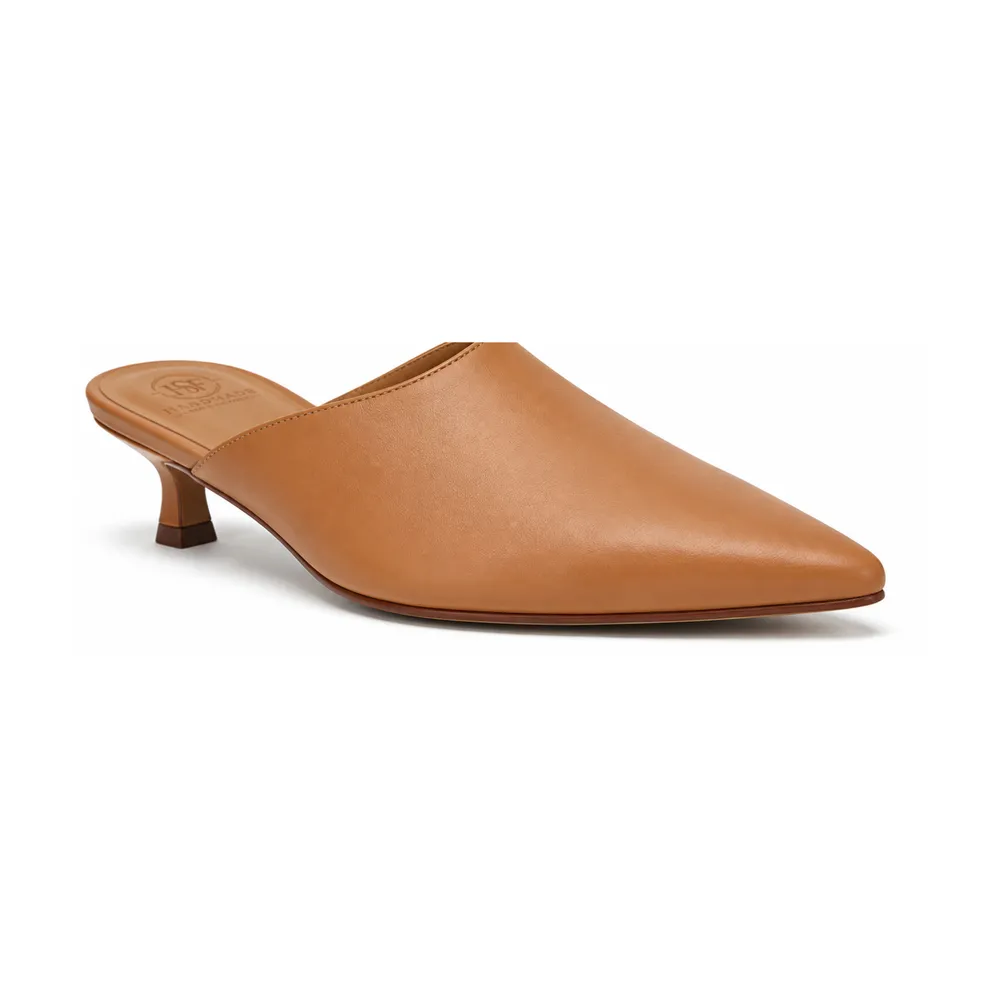
Description
Pointed-Toe Closed-Vamp Mule is a product-development direction for footwear brands, retailers, wholesalers, importers and sourcing teams developing women’s collections. Handmade Shoes Factory (HSF) manufactures in Lahore, Pakistan and can review the buyer’s materials, sizes, colors, branding, packaging and destination requirements. Refer to Pointed-Toe Closed-Vamp Mule when requesting feasibility, sampling terms and a manufacturing quotation for this product concept.
Pointed-Toe Closed-Vamp Mule for B2B Collection Development
The commercial role of this product is product-specific: help buyers evaluate pointed-toe closed-vamp mule, prepare a complete brief and decide whether the concept belongs in their planned fashion, resort and easy-entry women’s collections.
The final SEO focus is ‘pointed toe closed vamp mule’. The primary B2B phrase is ‘private label pointed toe closed vamp mule’, supported by custom pointed toe closed vamp mule; OEM pointed toe closed vamp mule; private label mules and slides supplier; wholesale pointed toe closed vamp mule. These terms should appear naturally where they help a buyer; broad manufacturer, factory, supplier or service-owner keywords must not replace the product-level focus.
Design Direction and Image Lock
LOCK EXACTLY: Pointed-Toe Closed-Vamp Mule. Preserve silhouette, toe shape, heel or sole profile, upper panels, material/finish, stitching, closure, hardware and proportions across all five images. Do not add a fixed measurement that is not in verified product data.
Warm tan studio concept. Use the material/finish named in the product title; color remains customizable and must be locked after the main image is approved.
The five-view set is intended to document the main, side, rear, insole and product-specific detail directions. Images support visible shape and finish only. They do not establish hidden materials, construction, component specification, testing, certification or completed production quality.
Materials, Components and Customisation
The title does not verify an exact material. Upper, lining, insole, outsole and finish choices must be confirmed through the buyer brief, sourcing review and approved sample.
For this product concept, buyer approval should focus on vamp coverage, opening, heel/sole balance and slip-on fit. Lining, insole/footbed, outsole, reinforcement, construction and packaging must be described conditionally until HSF has confirmed sourcing and feasibility.
- Target wearer/use, market position, destination and expected quantity.
- Upper, lining, insole, outsole and finish direction, including physical or documented references.
- Product-specific decisions for vamp coverage, opening, heel/sole balance and slip-on fit.
- Size system, grading, fit reference, sample sizes and required tolerances.
- Branding artwork, labels, packaging, colorways and target date.
- Any applicable standard, test method, documentation or NDA requirement.
Development Route, MOQ and Sampling
Private label and custom development are the primary routes. Buyer-specification/OEM language remains conditional on a suitable brief and confirmed capability.
MOQ: 12 pairs per design per color; verify component, tooling, size and packaging exceptions before publication.
Sampling: An initial sample is often completed in 10–14 days after the final specification is confirmed; sourcing, tooling and revision rounds can extend the cycle. Sample cost and commercial terms are confirmed during quotation. Final price, production timing, feasibility and dispatch planning depend on the approved brief and must not be presented as universal guarantees.
Quality Control Against the Approved Reference
Checks for this product should be tied to the approved sample and written specification. Review the agreed silhouette, proportions, paired consistency, vamp coverage, opening, heel/sole balance and slip-on fit, material/color reference, stitching or assembly alignment, branding position, finish and packaging. Required product-specific tests belong to the actual project and must be supported by evidence.
What to Send for a Quote
- Product name/title or the final product URL.
- Tech pack, sketch, reference image or physical sample where available.
- Materials, components, colors, size range, fit direction and quantity.
- Branding, labels, packaging, destination country and target date.
- Required standards/tests, documentation, target price position and confidentiality needs where applicable.