
B2B FOOTWEAR MANUFACTURING · AUSTRALIA
Private Label Shoe Manufacturer Australia for Growing Footwear Brands
Australian brands can source OEM, white-label and private-label footwear directly from Handmade Shoes Factory in Lahore, Pakistan. We support retailers, importers, wholesalers and startup labels with physical sampling, buyer-approved materials, custom branding, packaging and worldwide export support.
Share your category, reference images or tech pack, target quantity, size range, materials, branding, packaging and Australian destination to begin feasibility review.
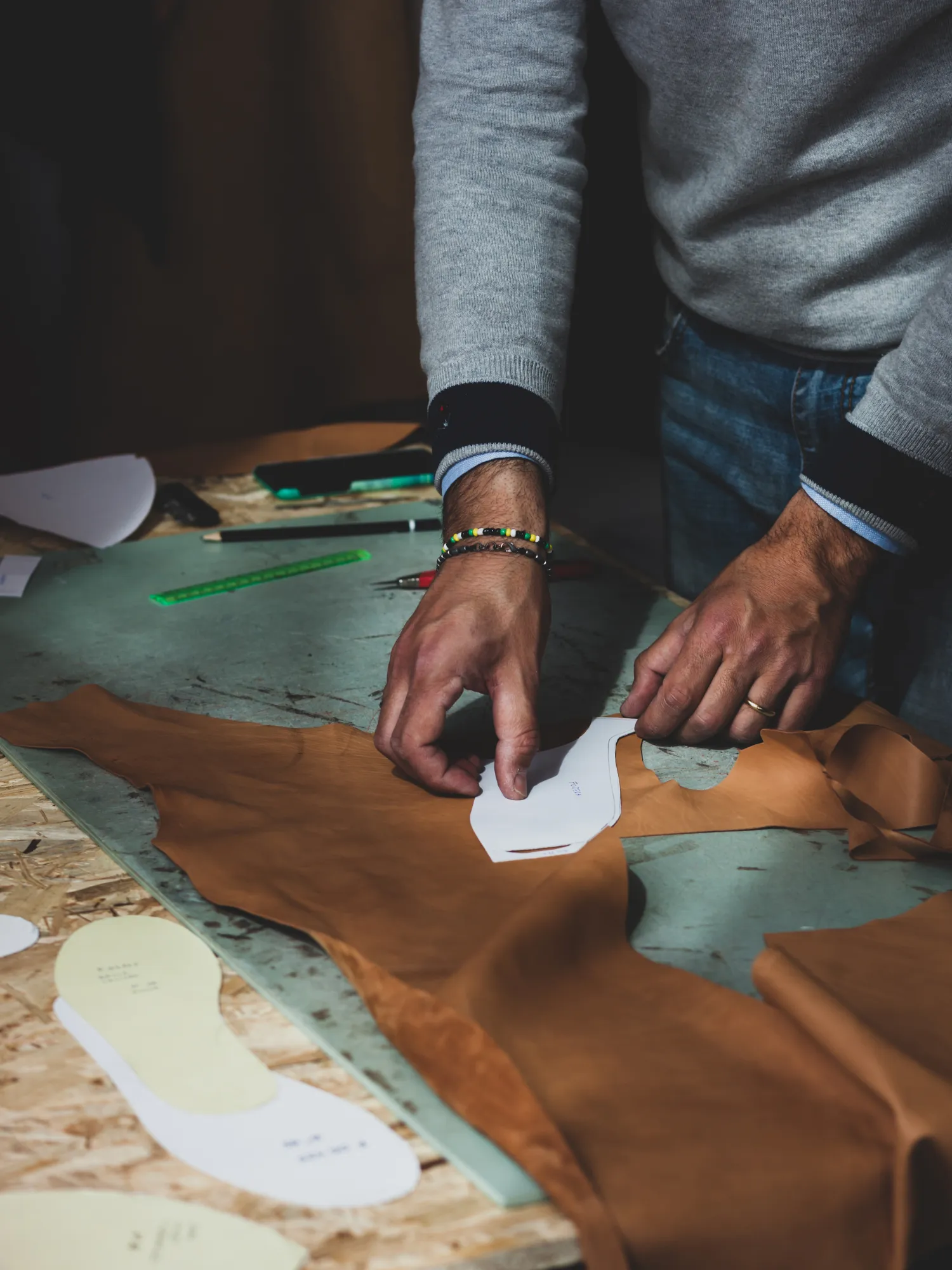
DIRECT FACTORY SOURCING
A Pakistan-based footwear factory supporting Australian brands
For businesses comparing a private label shoe manufacturer Australia search result with an overseas direct-factory partner, HSF provides one development path from brief and sampling through production, branding, packing and export preparation.
Handmade Shoes Factory does not present itself as an Australian factory. Manufacturing is completed in Lahore, Pakistan, while the product specification, size system, labels, packaging, testing scope and shipment requirements are reviewed for the buyer’s Australian market and sales channel.
A project can begin from a tech pack, technical drawing, sketch, reference image or physical sample. Before quotation, we review the construction, materials, sole or heel, size run, color split, branding method, packaging, quantity and destination. This gives both parties a clearer basis for sampling and reduces avoidable changes during production.
CHOOSE A DEVELOPMENT ROUTE
OEM, private label and startup footwear development
Choose the route that matches your design ownership, launch timing, customization level and available product information.
Private Label Manufacturing
Develop footwear with buyer-approved materials, colors, logo placement, labels, insoles, shoeboxes, tissue, dust bags, hangtags and carton marks.
Explore private label manufacturing →OEM & Custom Development
Manufacture against an original technical specification, drawing, reference product or approved construction, with physical sampling before production.
Explore custom shoe development →Startup Shoe-Line Support
Build a focused first collection with category selection, feasibility review, sampling, brand application and category-specific production planning.
Plan a startup shoe line →FOOTWEAR CATEGORIES
Product programs for Australian buyers
Each category is reviewed separately because MOQ, sizing, materials, tooling, testing and production planning can differ.
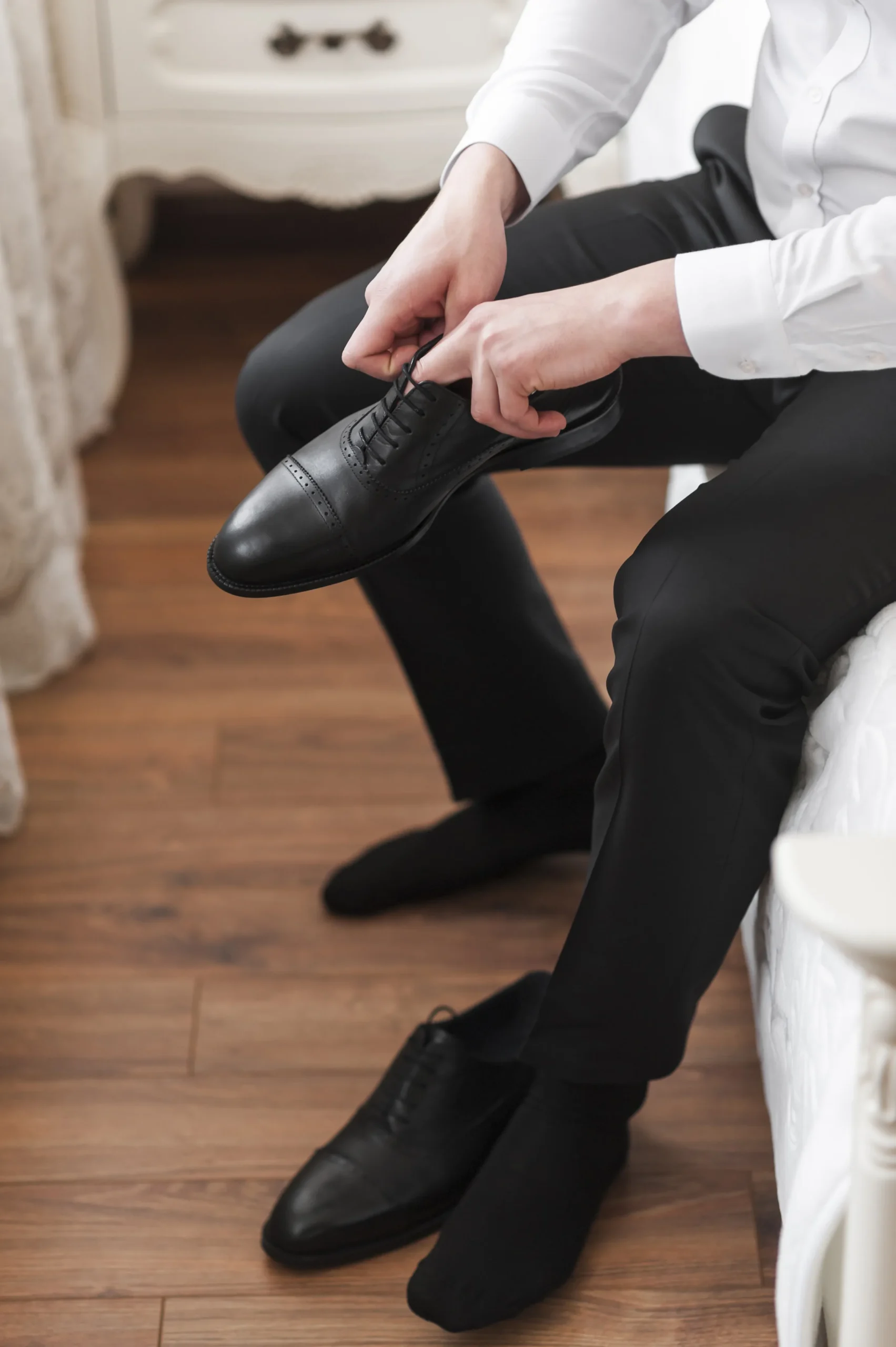
MEN’S FOOTWEAR
Formal Shoes, Loafers, Boots & Casual Styles
Develop men’s formal, business-casual, retail and uniform footwear with buyer-selected materials, sizing, branding and packaging.
Men’s shoe manufacturing →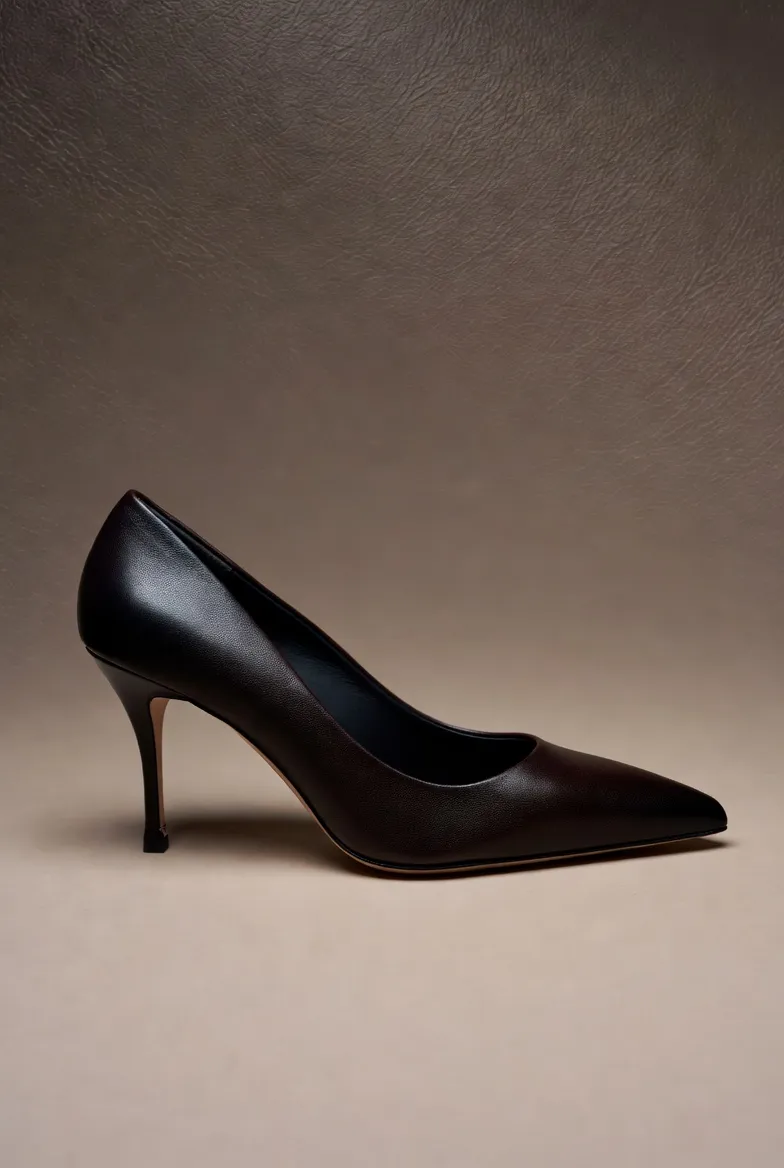
WOMEN’S FOOTWEAR
Heels, Flats, Loafers, Sandals & Boots
Women’s footwear can begin from 12 pairs per design per color, subject to construction, material, components, size range and packaging.
Women’s shoe manufacturing →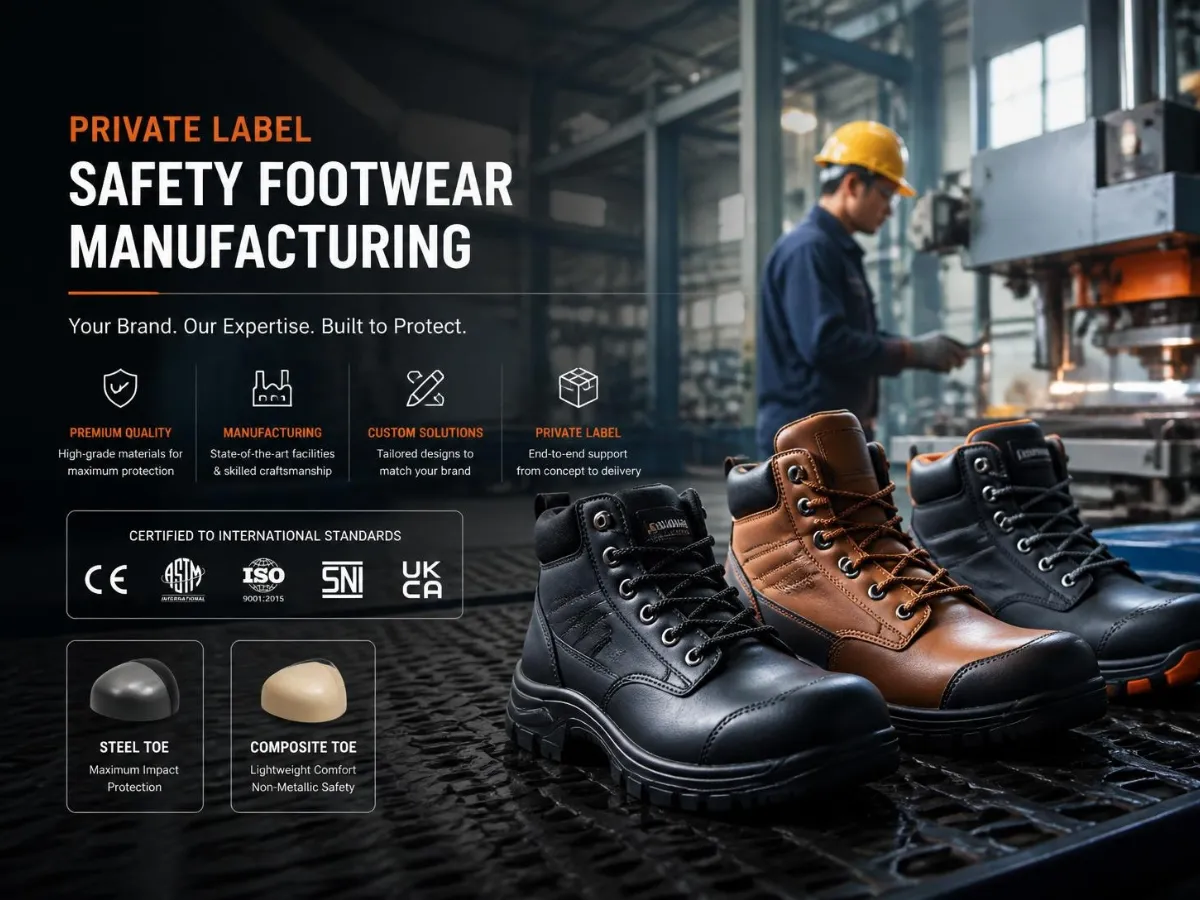
SAFETY FOOTWEAR
Work Shoes, Boots & Buyer-Specified Protection
Safety footwear projects are reviewed against the requested protection, construction, outsole, comfort, test scope and destination requirements.
Safety shoe manufacturing →
DESTINATION-SPECIFIC PLANNING
What we confirm for an Australian footwear project
Product and size specification
Style, construction, last, size range, fit direction, materials, colors and components are approved against the buyer’s target customer and size chart.
Branding and retail packaging
Logo placement, insole branding, labels, shoeboxes, tissue, dust bags, hangtags and carton marks can be prepared to the approved brand specification.
Origin and product descriptions
Labels and packaging should accurately describe the product and country of manufacture. Final wording and retail requirements should be supplied or approved by the Australian buyer or importer.
Shipment and documentation scope
Destination, freight preference, packing, commercial documents and handoff responsibilities are agreed before dispatch. Customs clearance remains subject to the importer and appointed broker.
COMPARE YOUR OPTIONS
Compare private label, OEM and white-label routes
The correct route depends on how much of the product has already been developed and how much customization the brand requires.
| Route | Best for | Buyer usually provides | Typical customization |
|---|---|---|---|
| OEM Manufacturing | Brands with an original design or technical specification | Tech pack, construction details, target materials, sizing and artwork | High, subject to feasibility, tooling and components |
| Private Label | Brands wanting a differentiated product under their own identity | References, brand direction, target market, quantity and price direction | Materials, colors, components, branding and packaging |
| White Label | Faster launches using an agreed existing construction | Selected style, colors, size run, branding and packaging | Lower than full custom development |
FROM BRIEF TO DISPATCH
A five-step process for Australian orders
- 01
Share the project brief
Send the category, references or tech pack, quantity, size range, materials, branding, packaging and destination.
- 02
Feasibility and quotation
We review the specification, MOQ factors, tooling, sample scope and commercial requirements before confirming a quotation.
- 03
Physical sampling
An initial sample is often completed in 10–14 days after the final specification is confirmed. Complex tooling or revisions may extend the cycle.
- 04
Production and quality checks
The approved sample becomes the production reference for materials, construction, fit, color, branding and finish.
- 05
Packing and export handoff
Approved packaging and commercial documents are prepared for handoff to the agreed freight provider and Australian importer or customs broker.
IMPORT & MARKET PLANNING
Confirm Australian requirements before bulk production
Product and origin labeling
Product descriptions, labels and packaging should accurately represent the goods and country of manufacture. The buyer should approve the final wording before production.
Review Australian product-labelling guidance ↗Product-safety responsibility
The Australian supplier or importer should identify the requirements that apply to the exact footwear, intended use and claims, and define any testing before bulk production is released.
Review ACCC product-safety responsibilities ↗Biosecurity and packing condition
Footwear and packaging should be clean, dry and free from soil, seeds or plant material. The importer should check current conditions for the materials and shipment.
Review Australian biosecurity import guidance ↗Import, labeling, testing and customs requirements can change and may differ by footwear type, material, claim and intended use. This page provides manufacturing guidance, not legal, customs or regulatory advice.
PREPARE YOUR INQUIRY
What to send for a useful footwear quotation
A complete brief produces a more useful feasibility review than a request containing only a product photograph.
- Product category and referencesTech pack, drawings, reference images, sketch or physical sample.
- Target quantityQuantity per design, color and planned size range.
- Materials and constructionUpper, lining, insole, outsole, heel, closure and finish.
- Branding and packagingLogo method, labels, shoebox, tissue, dust bag, hangtags and carton marks.
- Destination and timelineAustralian city, port or delivery point, requested delivery window and preferred freight method.
- ConfidentialityState whether an NDA is required before original design files are shared.
AUSTRALIA FOOTWEAR FAQS
Private Label Shoe Manufacturer Australia FAQs
These answers explain the usual starting points. Final MOQ, timing, freight, testing and document scope are confirmed against the product and destination.
Is Handmade Shoes Factory located in Australia?
No. Handmade Shoes Factory is a B2B footwear manufacturer in Lahore, Pakistan. It supports Australian brands, retailers, wholesalers, importers and startup labels that want a direct manufacturing relationship.
What is the MOQ for private label shoes supplied to Australia?
MOQ depends on the footwear category, construction, materials, color count, size range, tooling, components, branding and packaging. Women’s footwear can begin from 12 pairs per design per color. Men’s and safety footwear requirements are confirmed against the selected style and specification.
How long does shoe sampling take?
An initial physical sample is often completed in 10–14 days after the final specification is confirmed. New tooling, specialist materials, complex decoration and revision rounds can extend the complete development cycle.
Can you manufacture using Australian shoe sizing?
Size runs can be developed against an approved Australian retailer chart, UK, US, EU or buyer-specific size system, depending on the category. Final grading and fit direction are confirmed during development rather than assumed.
Can the shoes and packaging carry only our brand?
Yes. An approved private-label order can carry the buyer’s logo, insole branding, labels, shoeboxes, tissue, dust bags, hangtags and carton marks. HSF co-branding is not required unless separately agreed.
Do you offer NDA support for Australian shoe brands?
Yes. NDA support is available before confidential tech packs, drawings, original designs and brand files are reviewed. The scope, ownership terms and permitted use should be agreed in writing before development begins.
Will HSF guarantee Australian customs clearance or compliance?
No. HSF can prepare the product, packing and agreed commercial documents against approved instructions, but the Australian importer and appointed broker remain responsible for classification, duties, permits, compliance and destination clearance.
What should we send to a private label shoe manufacturer Australia brands can work with?
Send the category, tech pack or references, target quantity, size range, materials, construction, branding, packaging, destination, target date, testing requirements and whether an NDA is needed.
START YOUR AUSTRALIAN PROJECT
Discuss your footwear brief with a direct B2B manufacturer
Share the product category, reference material, quantity, size range, materials, branding, packaging, Australian destination and target date. We will review feasibility and identify the information needed for quotation and sampling.