
B2B Footwear Costing Guide
7 Shoe Manufacturing Cost Factors That Set Your Price
Shoe manufacturing cost is created by the product specification—not by one universal factory rate. This practical guide explains how materials, construction, tooling, MOQ, samples, quality control, branding and delivery terms shape a private label or OEM quotation. It also answers common buyer questions such as how much does it cost to manufacture a shoe, how much does it cost to start a shoe brand, and what is the cost of setting up a footwear manufacturing plant.
Start With the Specification
What Determines Shoe Manufacturing Cost?
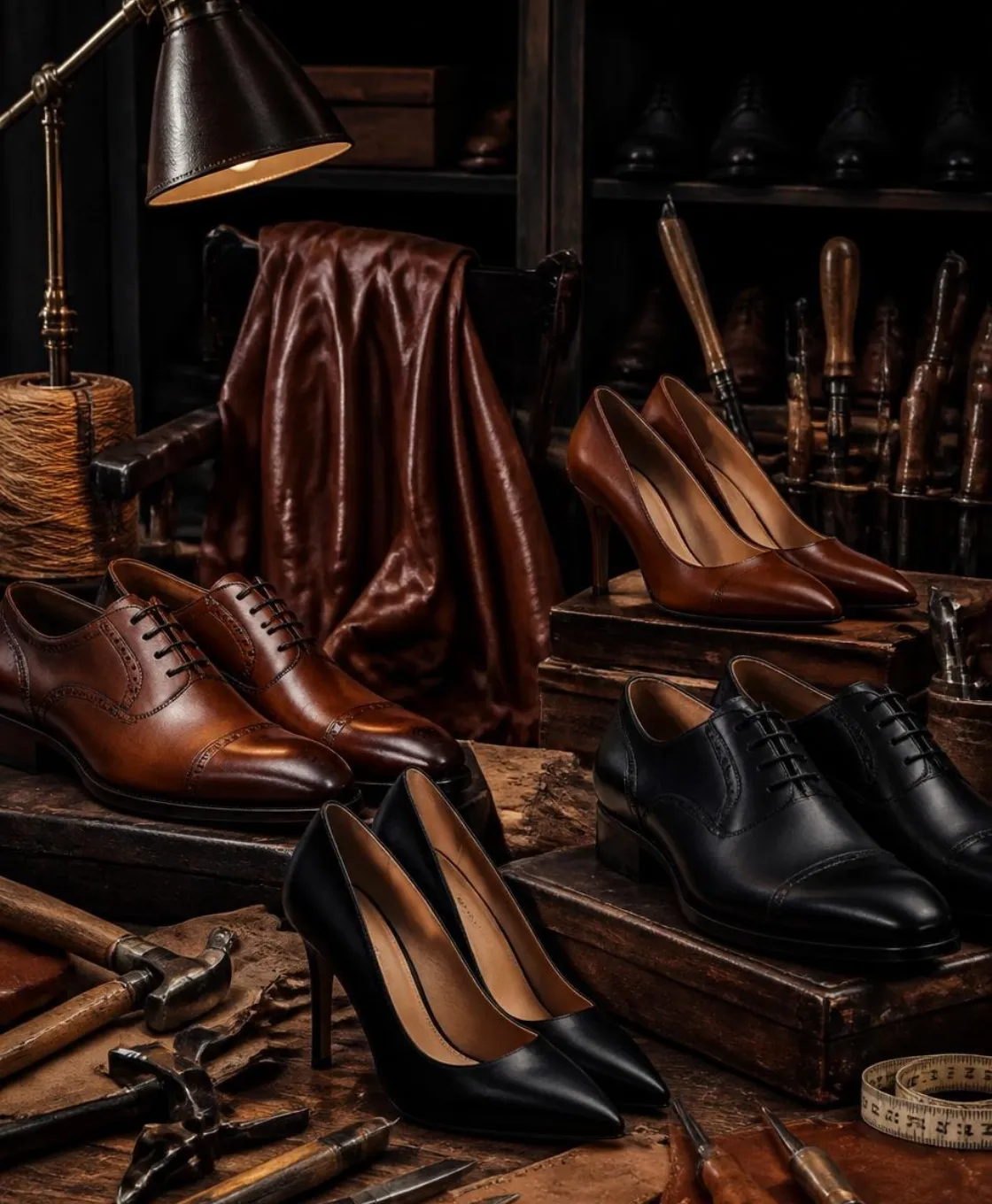
A useful shoe manufacturing cost begins with a buildable specification. “Leather shoe” is not enough: the factory must know the leather grade, lining, last, insole, outsole, construction, finishing, logo process, packaging, size breakdown and shipment responsibility. If you are searching for how much does it cost to manufacture a shoe, the answer always starts with these details.
That is why two suppliers can quote different prices for what appears to be the same design. One may include better components, deeper inspection or retail packaging; another may exclude tooling, revisions or freight. Brands should compare the same product scope rather than compare isolated unit prices.
The lowest quote can become the highest landed expense when materials, tooling, packaging, inspection or delivery responsibilities are missing.
Factors 01–02
Materials and Construction Create the Base Cost
Materials, components and yield
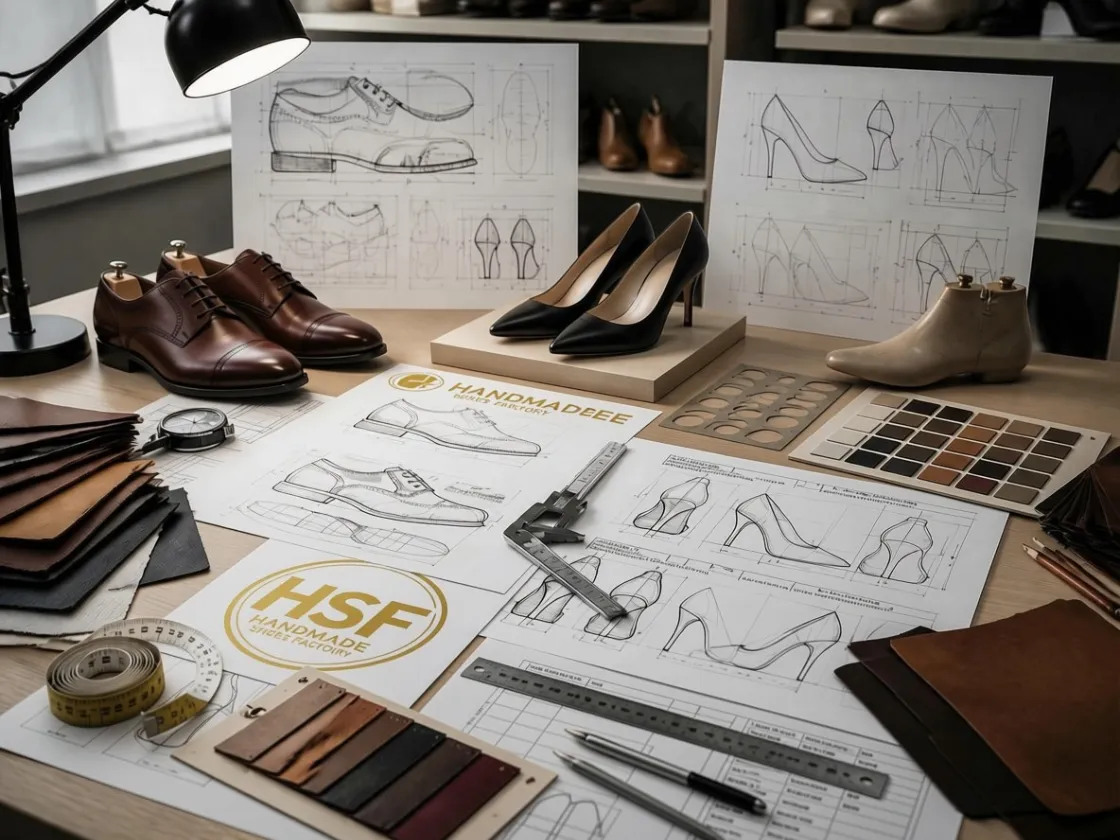
The first layer of shoe manufacturing cost is the bill of materials. Upper material, lining, sock, insole board, toe puff, counter, shank, heel, outsole, adhesive, thread, hardware and packaging must be specified. Natural leather grade and usable cutting area affect both purchase price and waste.
Operations and skilled labour
Cemented, Blake-stitched and Goodyear-welted products follow different production sequences. Brogue punching, hand colouring, complex straps, covered heels, special finishes and delicate embellishment add operations and handling time to the shoe manufacturing cost.
Factors 03–04
Tooling, MOQ and Order Structure
New lasts, patterns, dies, moulds and proprietary components may create one-time development charges. Ask which tools remain reusable for repeat orders and which parts belong to the supplier or buyer.
MOQ affects shoe manufacturing cost because setup, sourcing and quality-control work are spread across the approved quantity. A 500-pair order divided among five styles and many colours can behave like several small runs, each with separate material minimums and production setup.
- State quantity by style and colour
- Confirm the complete size run
- Separate tooling from unit price
- Compare focused and fragmented orders
Factors 05–06
Sampling and Quality Control Protect the Order
A sample compresses design interpretation, pattern work, sourcing, cutting, stitching, lasting, finishing and review into a development run. The quoted sample charge should explain included revision rounds and identify special materials, tooling and courier fees separately. Working with experienced shoe prototype manufacturers can make this stage faster and more accurate.
Changes made after approval can increase shoe manufacturing cost because patterns, materials or tooling may need to be repeated. Consolidated feedback and written approval reduce avoidable rework.
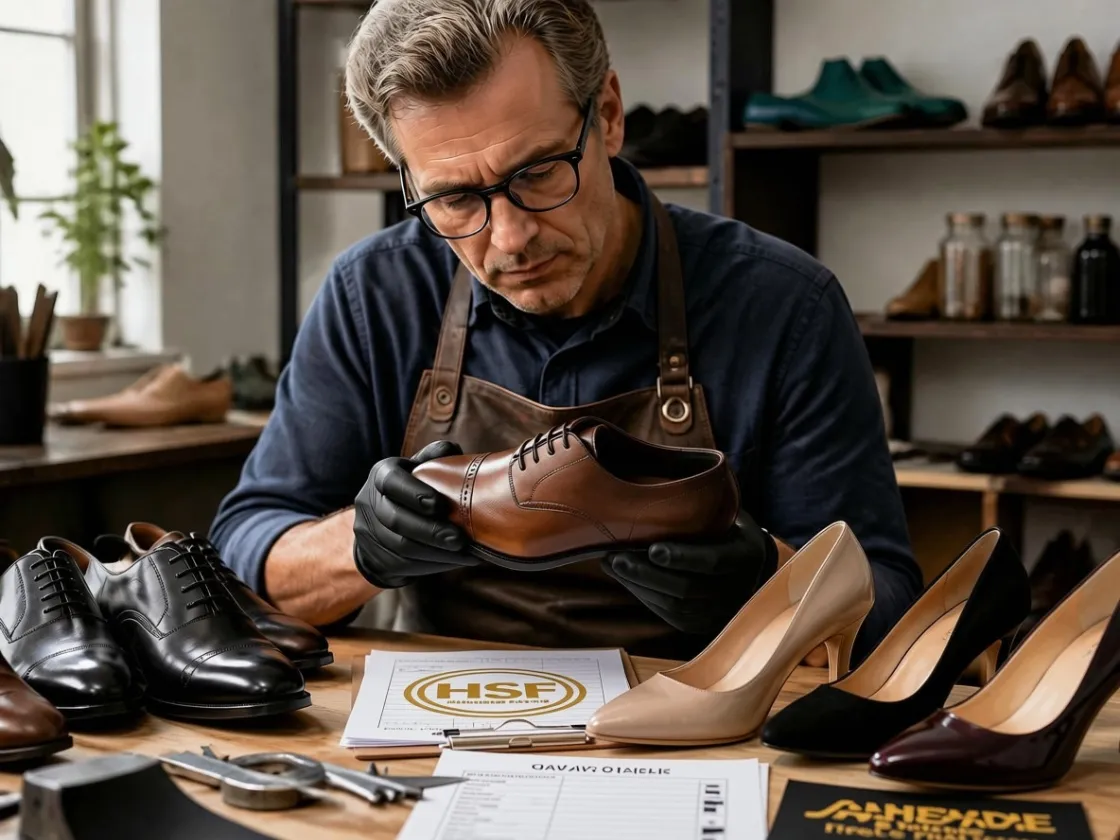
Quality control also belongs in the planned shoe manufacturing cost. Incoming material checks, in-process inspection, size consistency, pair matching, finishing review and packing checks require time, but they reduce exposure to rejects, returns and brand damage.
Factor 07
Branding, Packaging and Freight Complete the Landed Cost
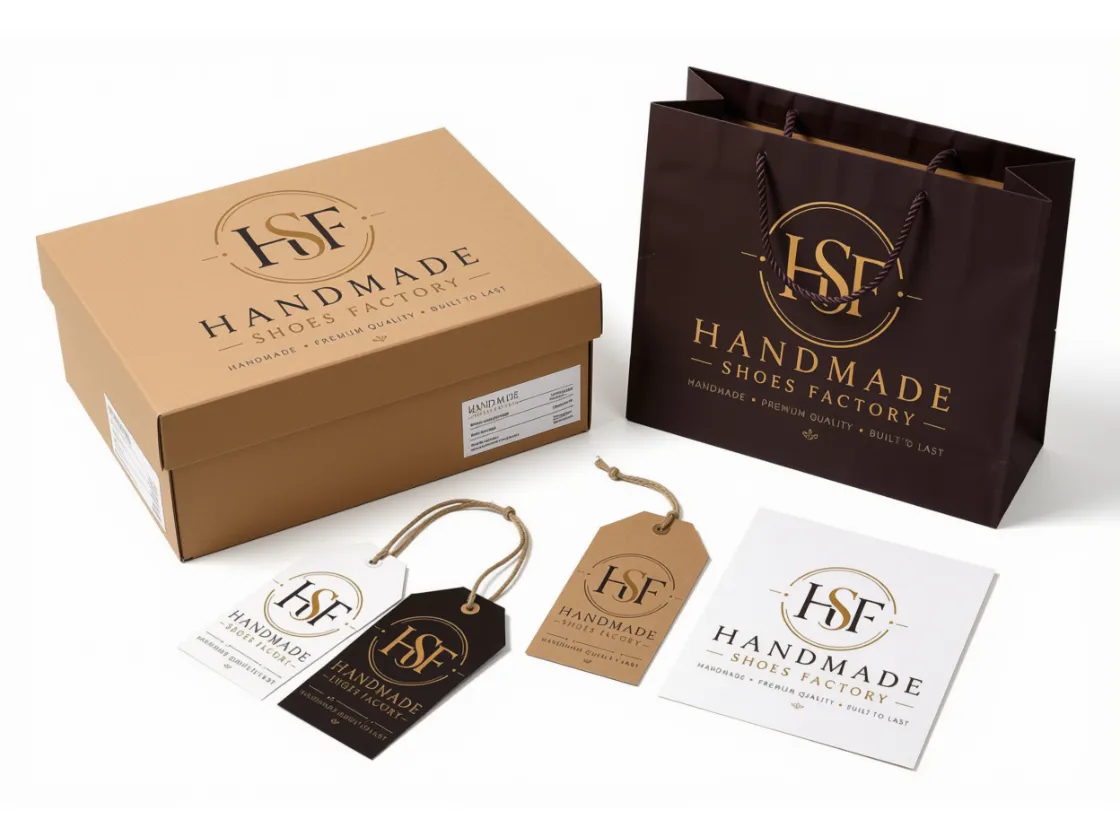
Logo embossing, printed insocks, labels, branded outsoles, tissue, dust bags, hangtags, barcodes and custom boxes all change the finished product scope. Packaging dimensions can also alter carton configuration and freight volume.
The ex-factory shoe manufacturing cost is not automatically the amount paid to place a sellable pair in your warehouse. Landed cost may add freight, insurance, duties, taxes, brokerage, terminal fees, inland transport and warehousing. Record the agreed Incoterm and destination whenever suppliers are compared.
Compare like with likeAsk every supplier to state what is included, what is excluded and which charges are estimates. This makes the final shoe manufacturing cost visible before commercial approval.
Quotation Comparison
Factory Price, Development Cost and Landed Cost
A quotation is easier to evaluate when each cost layer is separated instead of being presented as one unexplained number.
| Cost layer | Usually includes | Buyer question |
|---|---|---|
| Development | Tech pack support, patterns, samples, lasts, dies or moulds | Which charges are one-time and reusable? |
| Factory unit price | Approved materials, labour, construction, finishing and stated packing | Is the specification identical across quotes? |
| Brand presentation | Logo applications, labels, custom box, inserts and retail information | Are artwork setup and material minimums included? |
| Quality assurance | Incoming, in-process, final and packing inspections as agreed | What standard and approval sample will be used? |
| Landed cost | Factory price plus agreed freight, duties, taxes and destination charges | Which party is responsible at each delivery stage? |
Cost Control
How to Reduce Shoe Manufacturing Cost Responsibly
Responsible savings come from removing uncertainty and waste—not from weakening the product after approval.
Focus the first range
Fewer styles and colour splits improve material use and distribute setup more efficiently.
Freeze the specification
Resolve materials, construction, branding and packaging before final quotation and sample approval.
Consolidate feedback
One structured review is more efficient than repeated changes issued one issue at a time.
Use practical packaging
Protect the product and brand experience without creating avoidable material or freight volume.
These controls can improve shoe manufacturing cost while preserving the approved quality standard. Removing essential inspection or choosing an unsuitable material only moves risk into returns and replacement orders.
From Brief to Shipment
A Cost-Controlled Manufacturing Process
At each stage, the agreed specification protects the target shoe manufacturing cost and makes legitimate changes easier to identify.
Buyer Questions
Shoe Manufacturing Cost FAQs
Use these answers as a quotation checklist, then request a project-specific review for your design and order structure.
How much does it cost to manufacture a pair of shoes?
There is no reliable universal price per pair. Materials, construction, tooling, order quantity, size and colour splits, samples, branding, inspection, packaging and shipping terms all change the quotation. A factory needs a clear specification before it can calculate a useful shoe manufacturing cost.
Does a lower MOQ increase shoe manufacturing cost?
A lower MOQ can increase the unit price because development, setup, sourcing and quality-control work are divided across fewer pairs. It can still reduce overall inventory risk, which is why brands should compare both the unit price and the total cash committed.
What information is needed for an accurate footwear quote?
Provide the style or tech pack, reference images, target materials, construction, quantity by style and colour, size range, branding, packaging, destination, quality requirements and preferred shipping basis. The more complete the brief, the easier it is to compare suppliers fairly.
What is included in shoe sample cost?
Sampling can include pattern development, material sourcing, cutting, stitching, lasting, finishing, branding trials and technical review. Clarify how many revision rounds are included and whether new tooling, courier charges or special materials are quoted separately.
How do materials affect footwear production cost?
Leather grade, textile type, lining, insock, outsole compound, heel, hardware and packaging each have their own price and minimum purchase quantity. Material yield and cutting waste also matter, especially for natural leather and complex patterns.
What is the difference between factory price and landed cost?
Factory price covers the agreed production scope. Landed cost may also include freight, insurance, customs duties, taxes, brokerage, terminal fees, inland delivery and warehousing. Brands should use landed cost when planning margins.
Can private label shoes cost less than custom OEM shoes?
Often, yes. Private label development can adapt an existing last, pattern or construction, while a custom OEM project may require original patterns, lasts, moulds or components. The actual difference depends on how much of the product is new.
How can a brand reduce manufacturing cost without lowering quality?
Limit unnecessary style and colour fragmentation, confirm materials early, consolidate sample feedback, approve one production reference, use practical packaging and compare quotes on the same delivery basis. Removing essential quality checks is usually a false economy.
How much does it cost to set up a footwear manufacturing plant?
A small assembly unit can start around $30,000–$80,000. A mid-size plant with dedicated lines and better machinery typically costs $150,000–$500,000. A large integrated factory with sole production, automated stitching and export-grade compliance can exceed $1,000,000. A dedicated canvas shoe line usually requires $50,000–$150,000, while a garden boot or rubber boot line may need $80,000–$250,000 depending on the construction method.
How much does it cost to start a shoe brand?
A realistic minimum budget is often $5,000–$15,000. This includes branding, tech pack development, one or two sample rounds, a low-MOQ first production run, packaging, shipping, a basic website and initial marketing. Starting with one focused style and one colourway keeps the initial investment manageable. Working with an established factory avoids the much larger cost of setting up your own plant.
What is the cost to manufacture canvas shoes?
Basic canvas sneakers usually cost between $6 and $14 per pair FOB. The price depends on canvas quality, rubber or EVA sole, lining, printing or embroidery, branding, packaging and order quantity. A dedicated canvas shoe manufacturing line, if you want to produce in-house, typically requires $50,000–$150,000 in equipment and setup.
What is the cost to manufacture garden boots?
Garden boots and rubber boots usually range from $8 to $20 per pair FOB depending on height, rubber compound, lining, branding and quantity. Setting up a garden boot manufacturing plant typically costs $80,000–$250,000 because rubber processing equipment and moulds are the main investment. Most brands choose to work with an existing factory rather than build their own line.
What does shoe manufacturing for global brands involve?
Global brands require documented quality systems, compliance with material and labeling regulations, reliable production capacity, consistent lead times and clear communication. Factories must prove they can repeat quality across multiple orders and pass social compliance audits. Handmade Shoes Factory has supported international brands since 2003.
How do I find a shoe prototype manufacturer?
Look for a factory that offers sample development, pattern making, last development and small-batch prototyping. Ask for examples of previous prototypes, clarify revision rounds and request a clear timeline. Working with an experienced shoe prototype manufacturer reduces the risk of costly mistakes before bulk production.
Related Manufacturing Resources
Continue Planning Your Footwear Programme
Cost Your Collection
Get a Clear Shoe Manufacturing Cost for Your Specification
Share the style, materials, quantity, size range, branding, packaging and destination. Handmade Shoes Factory will review the project and identify the decisions required before sampling and production.