
PRIVATE LABEL · OEM · EU & UK
Private Label & OEM Footwear Manufacturer for Europe
A private label footwear manufacturer for Europe should give buyers a clear path from product brief to approved sample, production, branding, packaging and export handoff. Handmade Shoes Factory supports B2B projects intended for Great Britain, Germany, France, Italy, Spain, the Netherlands, Belgium, Poland, Austria, Ireland, Scandinavia and all other EU/EEA destinations from its manufacturing base in Lahore, Pakistan.
Send your product category, tech pack or references, target quantity, size range, materials, branding, packaging, destination country and required delivery window.
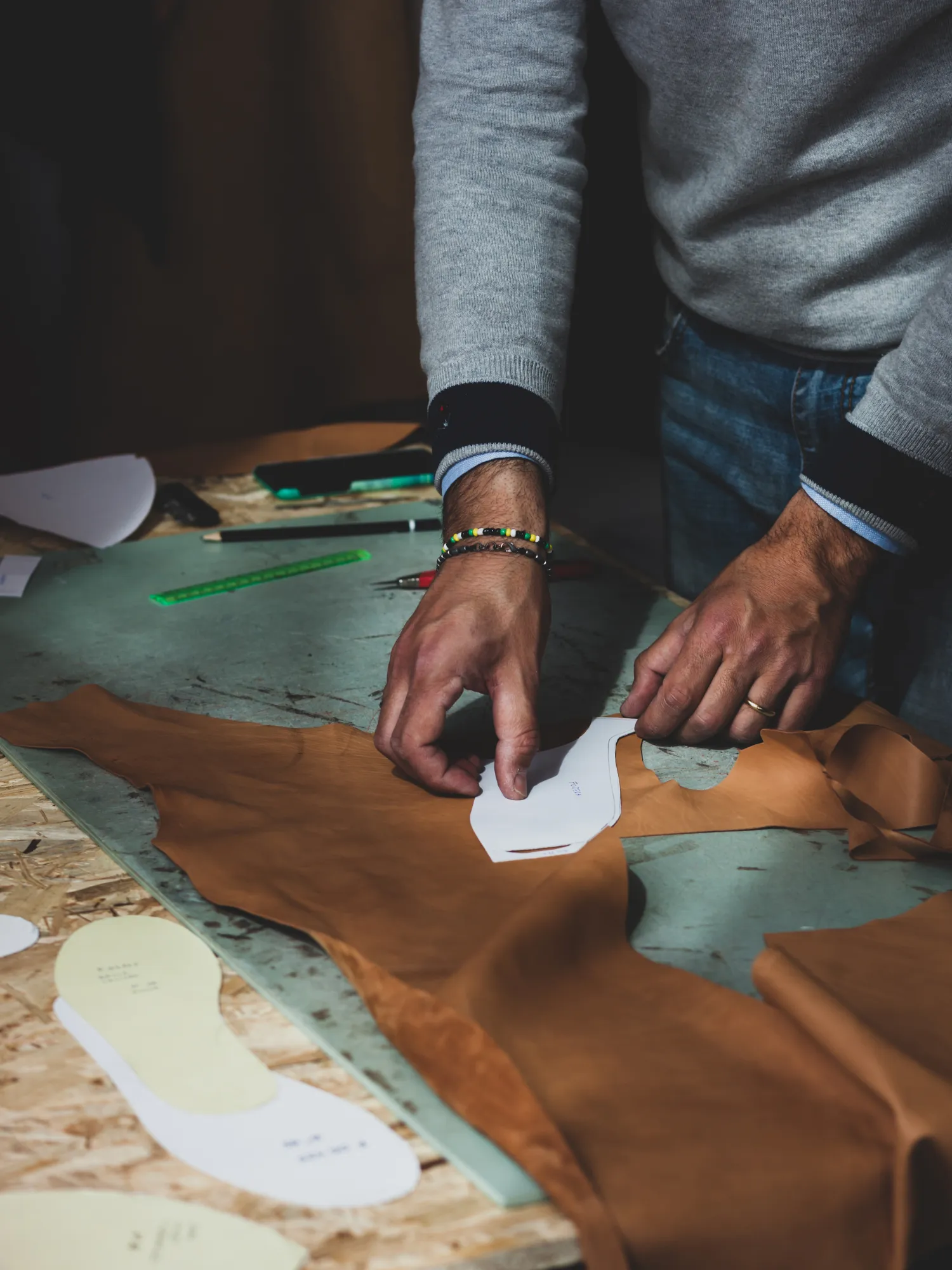
DIRECT FACTORY SOURCING
How a private label footwear manufacturer for Europe supports an EU or UK launch
For buyers comparing a local sourcing agent with an overseas private label footwear manufacturer for Europe, HSF provides a direct B2B development route built around the approved product specification.
Handmade Shoes Factory does not present itself as a European factory. Manufacturing takes place in Lahore, Pakistan. The buyer's destination, sales channel, size system, composition labels, packaging, traceability information, testing scope and shipment responsibilities are reviewed before production.
A project may begin with a tech pack, technical drawing, sketch, reference image or physical sample. Before quotation, we review construction, materials, sole or heel, size range, color split, branding method, packaging, quantity and destination. This creates a clearer basis for sampling and limits avoidable production changes. A private label footwear manufacturer for Europe should document these approvals before bulk work begins.
CHOOSE A DEVELOPMENT ROUTE
Private label, OEM and startup footwear programs
A capable footwear manufacturer for Europe should match the route to your design ownership, launch schedule, customization level and available product information.
Private Label Manufacturing
Develop footwear with buyer-approved materials, colors, logo placement, insoles, labels, shoeboxes, tissue, dust bags, hangtags and carton marks.
Explore private label manufacturing →OEM & Custom Development
Manufacture against an original design, technical specification, drawing, reference product or approved construction with physical sampling before production.
Explore custom shoe development →Startup Shoe-Line Support
Build a focused first collection through category selection, feasibility review, prototyping, branding and category-specific production planning.
Plan a startup shoe line →FOOTWEAR CATEGORIES
Product programs for European brands and importers
Each category is reviewed separately because MOQ, sizing, materials, tooling, testing and production planning differ. The selected private label footwear manufacturer for Europe should confirm these variables before costing.
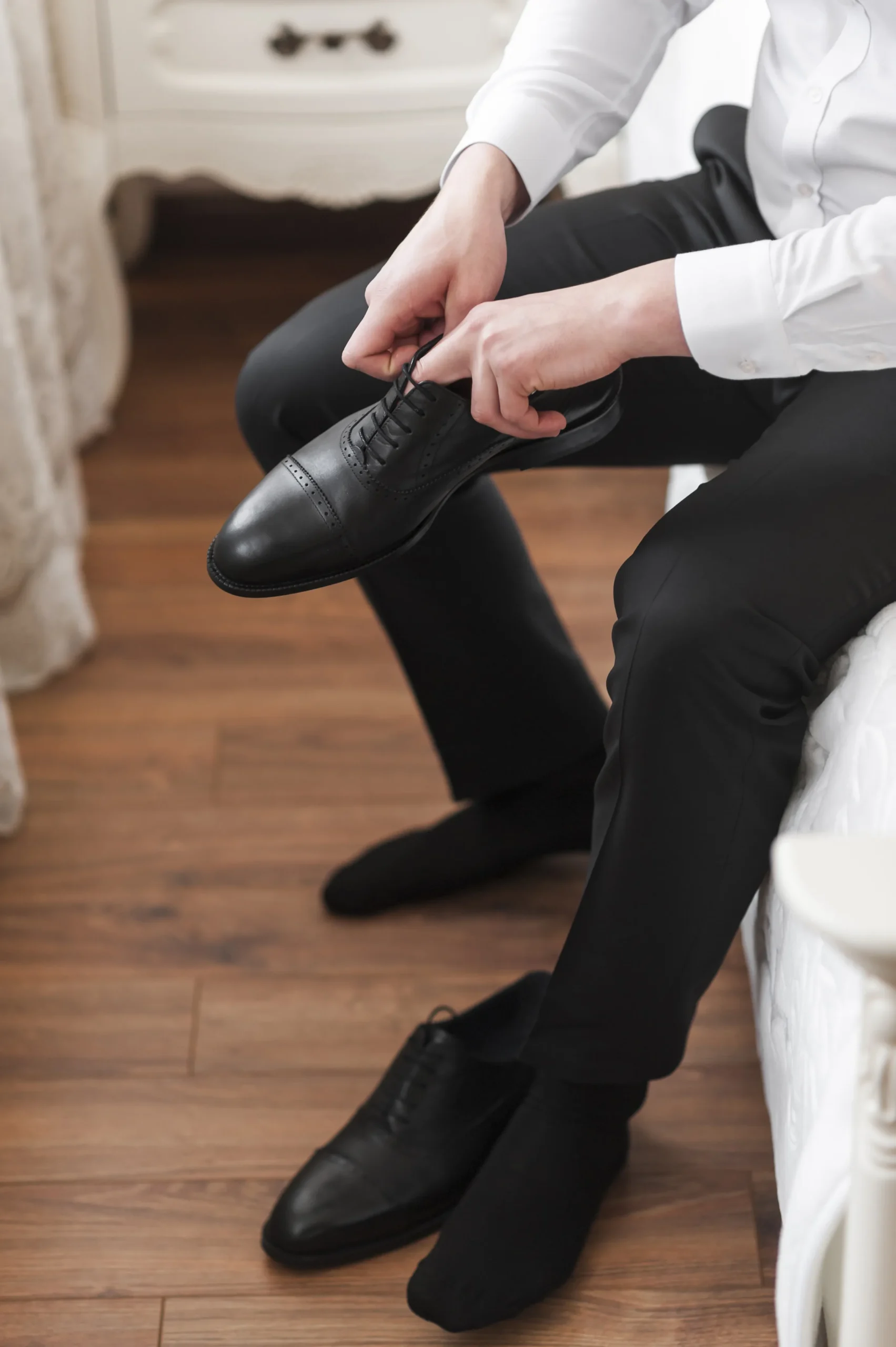
MEN'S FOOTWEAR
Formal Shoes, Loafers, Boots & Sandals
Develop men's formal, business-casual, uniform and seasonal footwear with buyer-selected materials, lasts, sizing, branding and packaging.
Men's shoe manufacturing →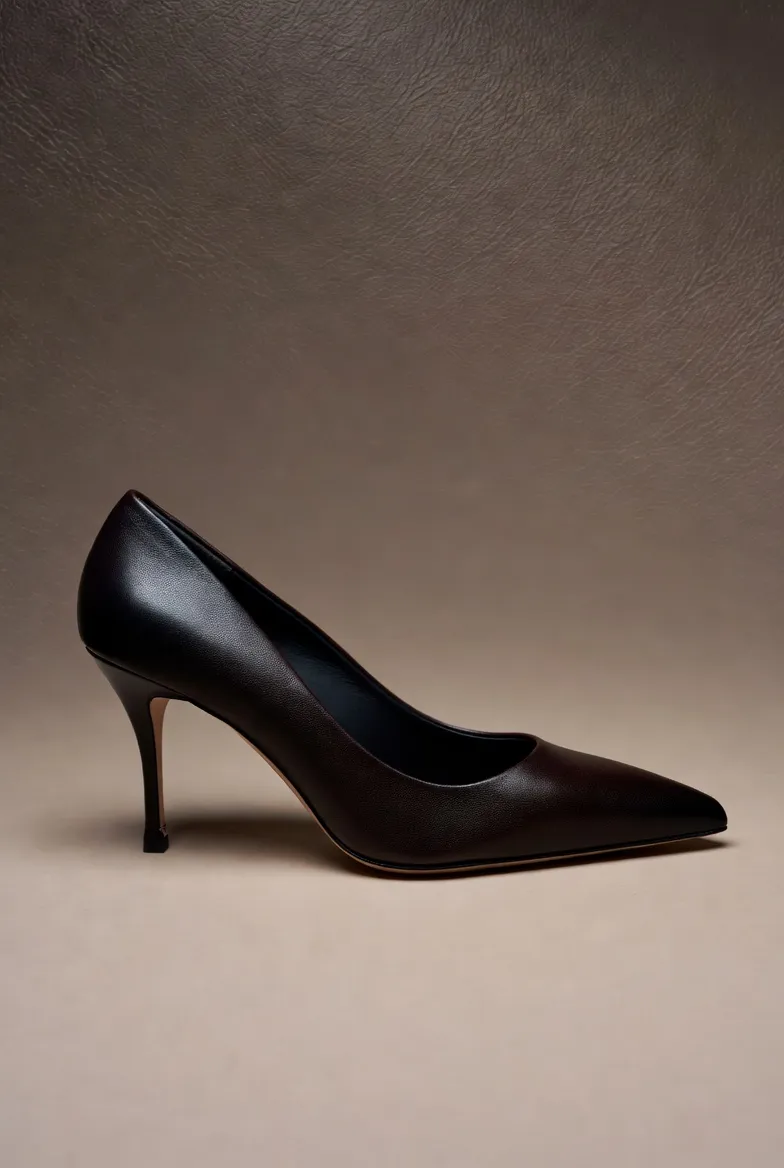
WOMEN'S FOOTWEAR
Heels, Flats, Loafers, Sandals & Boots
Women's footwear can begin from 12 pairs per design per color, subject to construction, materials, components, size range, branding and packaging.
Women's shoe manufacturing →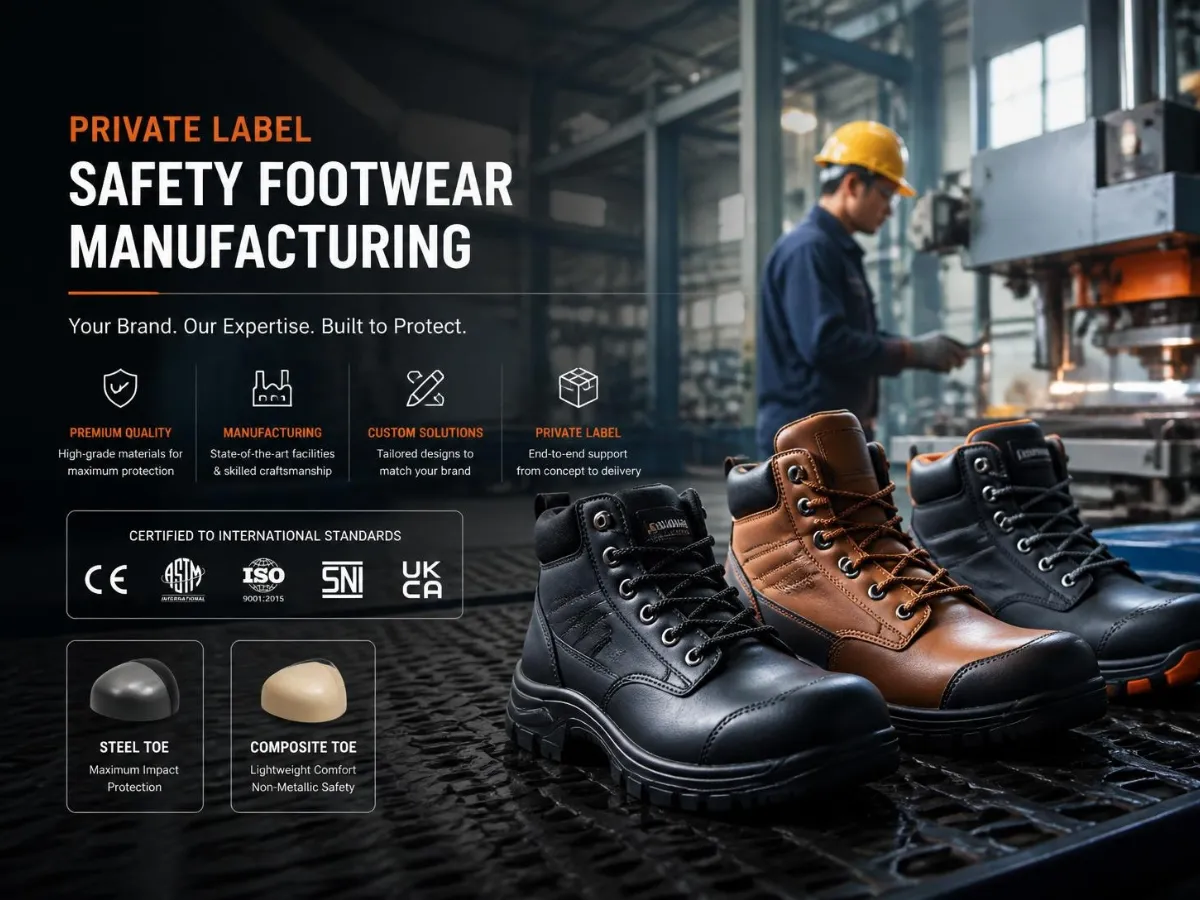
SAFETY FOOTWEAR
Work Shoes, Boots & Buyer-Specified Protection
Safety projects are reviewed against the requested protection, construction, outsole, comfort, testing and destination requirements. No universal compliance claim is made.
Safety shoe manufacturing →MAJOR EUROPEAN SALES MARKETS
Country planning with a private label footwear manufacturer for Europe
A footwear manufacturer for Europe can work from one approved product specification, but language, sizing presentation, importer information, packaging and documentation should still be confirmed for each destination country.
Private label footwear manufacturing for UK brands
UK brands, retailers and importers can develop private-label and OEM footwear with dual EU/UK size marking, buyer-approved labels, importer details and UK-specific footwear-labeling information. Manufacturing remains in Lahore, Pakistan, with dedicated export planning for Great Britain.
Footwear sourcing for German-speaking retail
A footwear manufacturer for Europe can prepare projects for Germany and Austria with buyer-approved German product information, EU sizing, composition labeling, branded packaging and importer details. Seasonal boots, formal shoes, loafers and private-label collections can be developed against the approved brief.
Private-label footwear for French brands
French-market projects may require approved French written information when text is used instead of standard pictograms. Materials, finish, size grading, retail packaging and brand presentation are confirmed before sampling and production.
Footwear programs for Benelux buyers
Projects intended for the Netherlands and Belgium can be prepared around the buyer's selected language set, sales channel, EU sizing, carton marks and distribution model. Belgium may require a multilingual packaging plan depending on the target market.
OEM and custom footwear for Italian labels
Italian-market development can begin from an original tech pack, drawing, reference shoe or approved private-label route. The buyer confirms material descriptions, size presentation, origin wording, branding and destination-market requirements.
Footwear sourcing for Iberian retail
Brands targeting Spain or Portugal can request sandals, loafers, boots, formal footwear and other buyer-specified categories with approved Spanish or Portuguese information, colorways, size runs and packaging.
Private-label production for growing regional channels
Projects for Poland and neighboring Central European markets are reviewed against the exact retailer, importer, language, size breakdown, price direction, packing method and destination before quotation.
EU-compliant footwear for Irish buyers
Ireland remains within the EU framework. Irish importers can source private-label footwear with EU-compliant labeling, GPSR responsibilities and market-specific packaging requirements confirmed before production.
Footwear projects for Nordic markets
Nordic projects can be planned around climate, intended use, materials, lining, outsole, size range and the buyer's language and packaging instructions. Norway is outside the EU, so its importer should confirm separate destination requirements.
Private label footwear for Canadian importers
Canadian buyers can also source from HSF through the same private-label development process. Destination-specific labeling, language and importer requirements for Canada are confirmed separately from EU/UK projects.
A private label footwear manufacturer for Europe should use country names to clarify genuine buyer use cases—not to imply a factory location, customer history or guaranteed rankings. The final specification remains subject to the buyer's approved destination-market requirements.
DESTINATION-SPECIFIC PLANNING
What a footwear manufacturer for Europe should confirm before production
Size system and fit direction
EU, UK or buyer-specific size charts, grading, fit samples and size markings are confirmed for the category and target customer rather than assumed from the destination alone.
Footwear composition labels
For EU consumer footwear, the upper, lining and sock, and outer sole require material-composition information under Directive 94/11/EC. The buyer or importer approves the final pictograms or written labels.
Safety and traceability information
EU importers should verify applicable General Product Safety Regulation responsibilities, including the responsible economic operator, product identification, contact details and technical records.
UK requirements handled separately
The UK has its own footwear-labeling and importer responsibilities. A project serving both the EU and UK should not assume that one market's documentation automatically covers the other.
COMPARE DEVELOPMENT OPTIONS
Compare footwear manufacturer for Europe development routes
The correct route depends on how much of the product is already developed and how much customization the brand needs.
| Route | Best for | Buyer usually provides | Typical customization |
|---|---|---|---|
| OEM Manufacturing | Brands with an original design or detailed technical specification | Tech pack, construction details, target materials, sizing, testing scope and artwork | High, subject to feasibility, tooling and component availability |
| Private Label | Brands wanting a differentiated product under their own identity | References, brand direction, target market, quantity, size range and commercial direction | Materials, colors, components, branding and packaging |
| White Label | Faster launches using an agreed existing construction | Selected style, colors, size run, branding and packaging | Lower than full OEM development |
FROM BRIEF TO EXPORT HANDOFF
A seven-step Europe footwear development process
A structured process helps the buyer and private label footwear manufacturer for Europe keep specification, approvals and shipment responsibilities aligned.
- 01
Share the brief
Send the category, references or tech pack, quantity, size range, materials, branding, packaging and destination.
- 02
Feasibility review
We review construction, tooling, components, MOQ factors, testing needs and missing information.
- 03
Quotation
Commercial terms, sample scope and estimated production planning are confirmed against the approved brief.
- 04
Physical sampling
An initial sample is often completed in 10–14 days after the final specification is confirmed.
- 05
Approval and revisions
Fit, construction, materials, color, branding, labels and packaging are reviewed before bulk production.
- 06
Production and checks
The approved sample and specification become the reference for production-stage quality checks.
- 07
Packing and handoff
Approved packing and commercial documents are prepared for the agreed freight provider and importer.
EU & UK MARKET GUIDANCE
Verify the rules that apply to the final product and destination
EU footwear labeling
EU rules require material-composition labeling for the main footwear components. Where no single material reaches the applicable 80% threshold, the two main materials must be shown.
Read the official EU footwear-labeling summary ↗EU product safety
The General Product Safety Regulation assigns duties across manufacturers, importers, distributors and other economic operators. The EU importer should verify the product-specific obligations before sale.
Review the official GPSR summary ↗UK footwear labeling
UK guidance also requires material information for the upper, lining and sock, and outer sole, and places responsibilities on manufacturers, agents and retailers.
Review official UK footwear-labeling guidance ↗Requirements can differ by country, footwear type, materials, intended use and sales channel. A private label footwear manufacturer for Europe can prepare products and documents against the approved project brief; the importer and its advisers remain responsible for destination-market verification, duties, product safety and customs clearance.
PREPARE YOUR INQUIRY
What to send a private label footwear manufacturer for Europe
A complete brief produces a more useful feasibility review than a request containing only a product photograph.
- Product category and referencesTech pack, drawings, reference images, sketch or physical sample.
- Target quantityQuantity per design and color, plus the planned size breakdown.
- Materials and constructionUpper, lining, insole, outsole, heel, closure, finish and performance needs.
- Branding and packagingLogo method, labels, shoebox, tissue, dust bag, hangtags and carton marks.
- Destination and scheduleEU country, UK destination, required date and preferred shipment arrangement.
- Compliance and confidentialityTesting scope, labeling instructions, importer details and whether an NDA is required.
EUROPE FOOTWEAR FAQS
Answers for brands, retailers and importers
When comparing a private label footwear manufacturer for Europe, remember that final MOQ, testing, timing, freight and documentation depend on the style and destination. These answers explain the usual starting points.
Is Handmade Shoes Factory a private label footwear manufacturer for Europe?
Yes, HSF serves as a private label footwear manufacturer for Europe for B2B buyers, but it is not physically based in Europe. Manufacturing takes place in Lahore, Pakistan, for EU and UK brands, retailers, importers, distributors and startup labels.
Do you supply private label footwear to Great Britain and the UK?
Yes. UK brands and importers can develop private-label footwear with dual EU/UK size marking, buyer-approved labels, importer details and UK-specific footwear-labeling information. Great Britain is served as a separate market from EU destinations.
What is the MOQ for footwear supplied to Europe?
MOQ depends on the category, construction, materials, color count, size range, tooling, components, branding and packaging. Women's footwear can begin from 12 pairs per design per color. Men's and safety footwear requirements are confirmed against the selected style and specification.
How long does physical shoe sampling take?
An initial physical sample is often completed in 10–14 days after the final specification is confirmed. New tooling, specialist components, complex decoration and revision rounds can extend the full development cycle.
Can you manufacture EU and UK shoe sizes?
Yes. Size runs can be developed against an approved EU, UK or buyer-specific size chart, depending on the category. Final grading, fit direction and size markings are confirmed during development rather than assumed.
Can you prepare EU footwear composition labels?
Buyer-approved labels can be prepared for the upper, lining and sock, and outer sole using the required material descriptions or pictograms. The EU importer or brand should verify the final legal and language requirements for each destination.
Does ordinary footwear always require CE marking?
Requirements depend on the product's intended use and applicable legislation. Ordinary fashion footwear should not automatically be treated the same as protective or safety footwear. The buyer should confirm the rules and testing scope for the exact product before production.
Do you guarantee EU or UK compliance and customs clearance?
No. HSF can manufacture and prepare agreed labels, packing and commercial documents against buyer-approved instructions. The importer and appointed advisers remain responsible for classification, duties, product-safety obligations, market-specific compliance and destination clearance.
Can HSF manufacture footwear for Germany, France, Italy, Spain, the Netherlands, Belgium, Poland and the UK?
Yes. HSF can review B2B footwear projects intended for these countries and other European destinations. Manufacturing remains in Lahore, Pakistan. The buyer or importer confirms the final language, labeling, product-safety, tax, customs and market-specific requirements for each destination.
Can you supply private label footwear to Canada?
Yes. Canadian importers can source private-label and OEM footwear through HSF. Canada's destination-specific labeling, language and importer requirements are reviewed separately from EU/UK projects.
Can you sign an NDA before reviewing our designs?
Yes. NDA support is available before confidential tech packs, drawings, original designs and brand files are reviewed. The scope, ownership terms and permitted use should be agreed in writing before development begins.
START YOUR EUROPE PROJECT
Discuss your footwear brief with a direct B2B manufacturer
When selecting a private label footwear manufacturer for Europe, send the product category, references, quantity, size range, branding, packaging, destination and target date. HSF will review feasibility and identify the information needed for quotation and sampling.